Onboarding Process for a Banking App
UX Research | Mobile App Design | Prototyping
Project overview
The product:
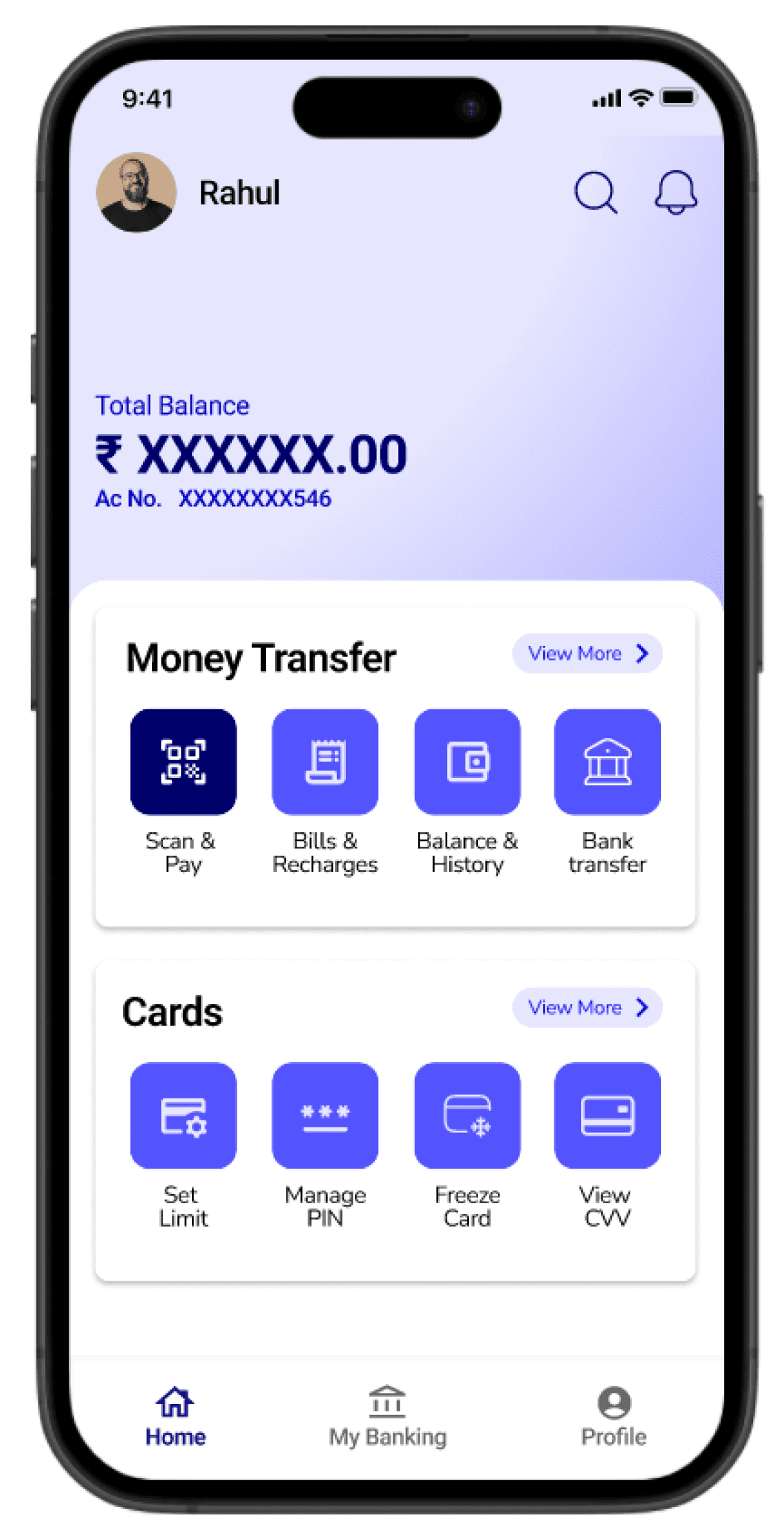
A mobile banking app that simplifies onboarding by enabling users to open and manage their bank account anytime, anywhere—without visiting a branch.
Project duration:
August 2025 to Sep 2025
The problem:
Busy professionals struggle with time-consuming and confusing in-person banking, making account opening inconvenient.
The goal:
My role:
UX Designer (end-to-end)
Conducted user research & defined problem
Created user flows, wireframes, and prototypes
Designed onboarding & account opening experience
Ran usability testing & iterations
User Research : pain points
1
Time-consuming
Online forms and processes feel confusing and overwhelming.
2
Complexity
Online forms and processes feel confusing and overwhelming.
3
Inaccessibility
Limited flexibility — users can’t always visit a branch during working hours.
4
Trust issues
Users worry about the security and reliability of digital onboarding.
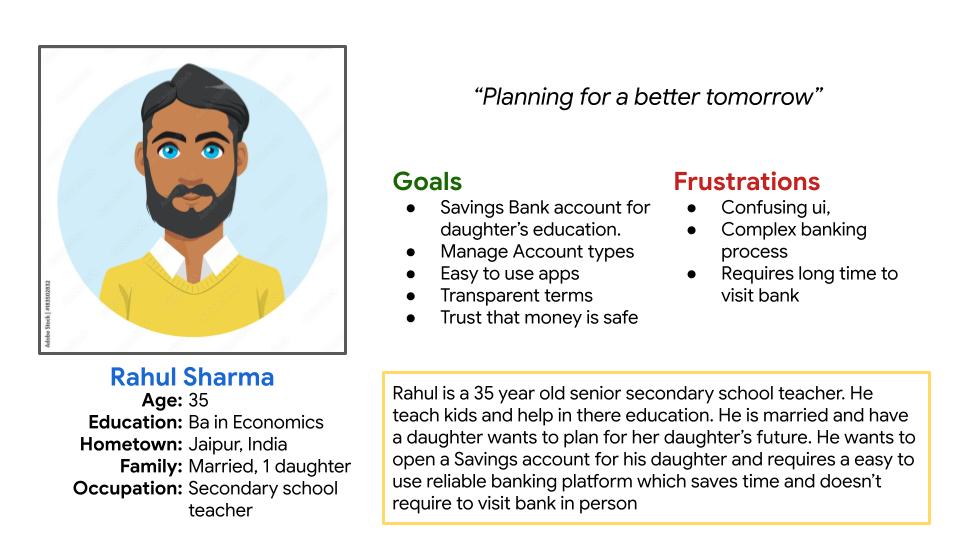
Persona: Rahul Sharma
Problem statement:
Rahul is a school teacher with limited free time who need a quick and trustworthy way to open and manage bank account online because traditional in person bank process are time consuming and inconvenient for him.
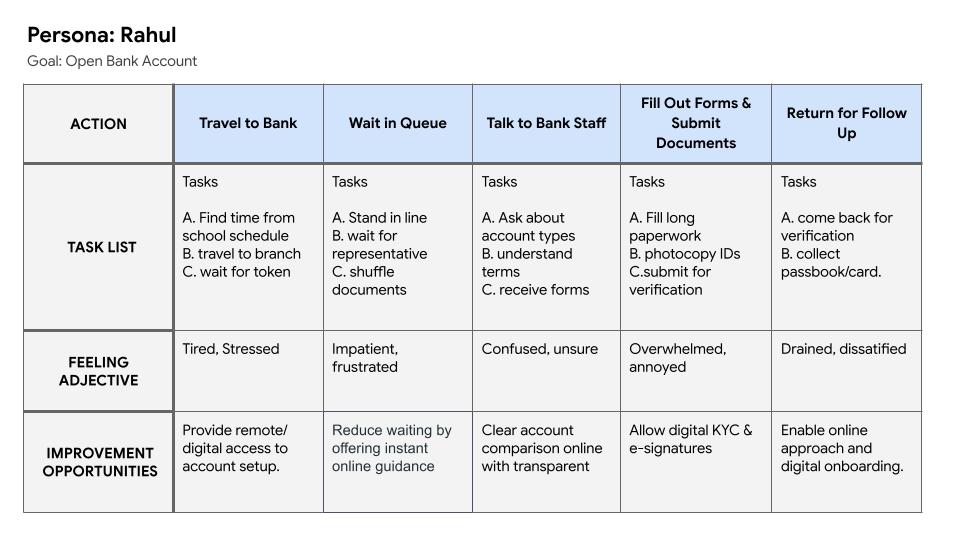
User Journey Map
My thought process:
Our banking app will let users open and manage bank account fully online which will affect busy professional who have limited time by saving them from long in person banking visits.
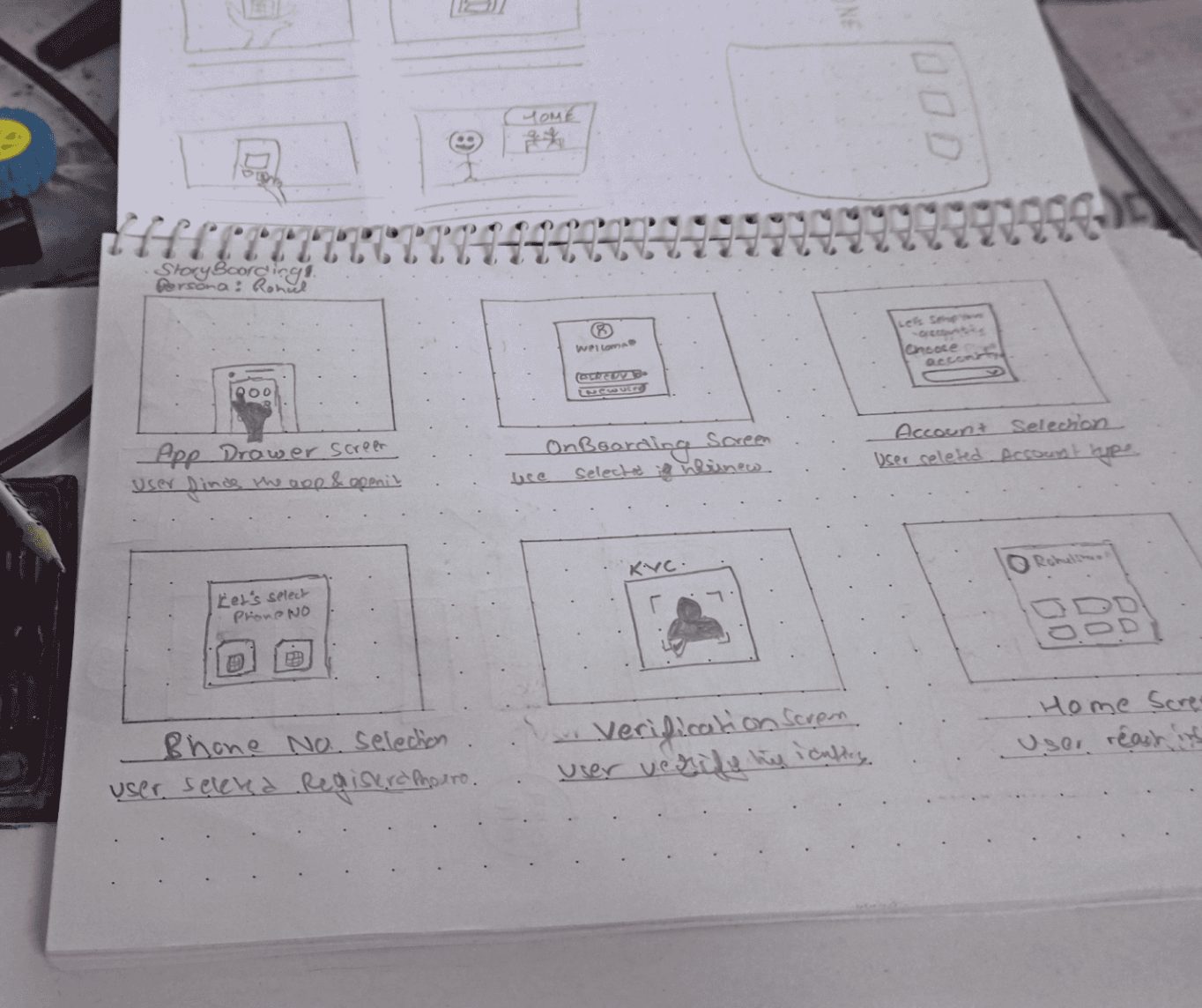
Story boarding & Paper Wireframes
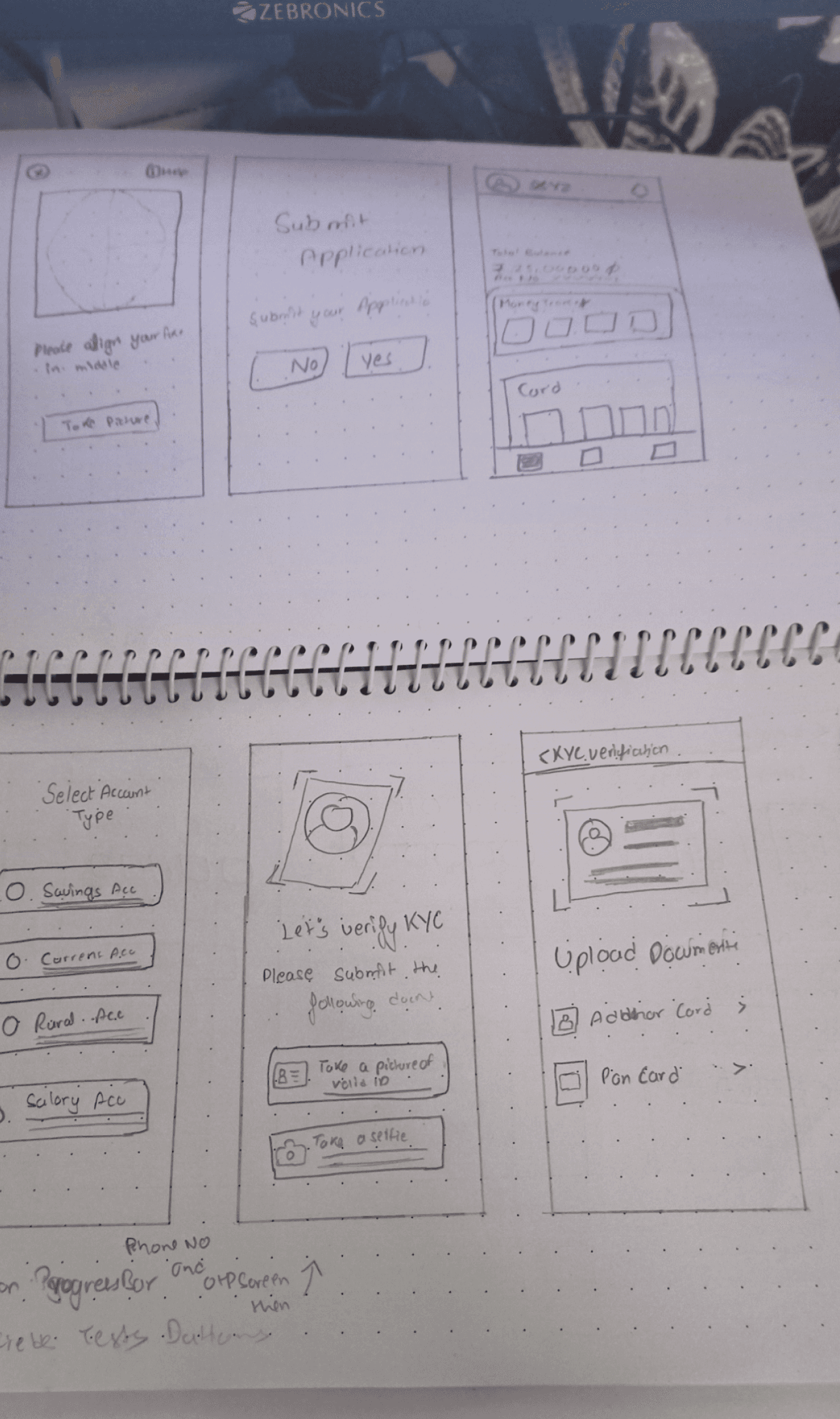
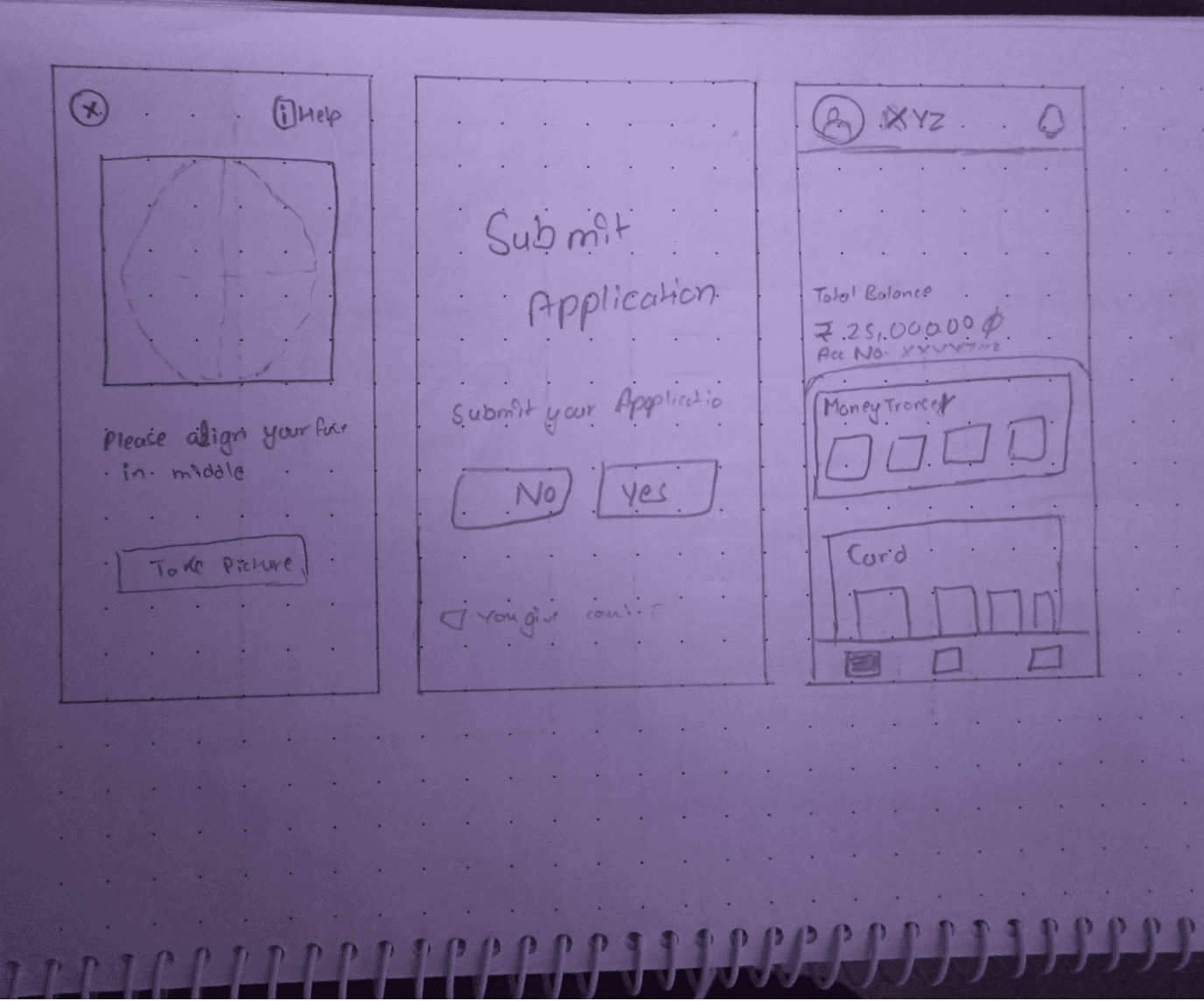
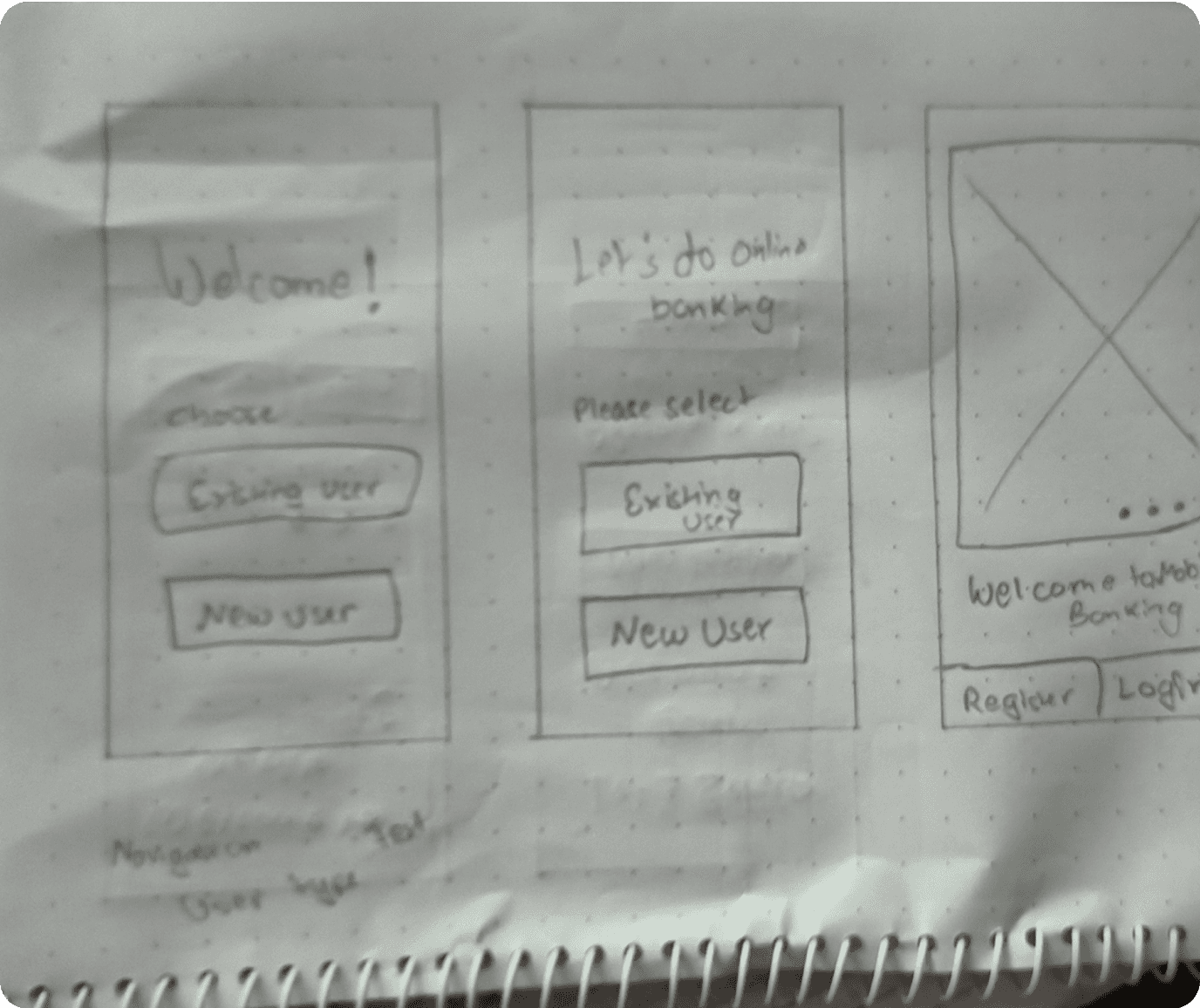
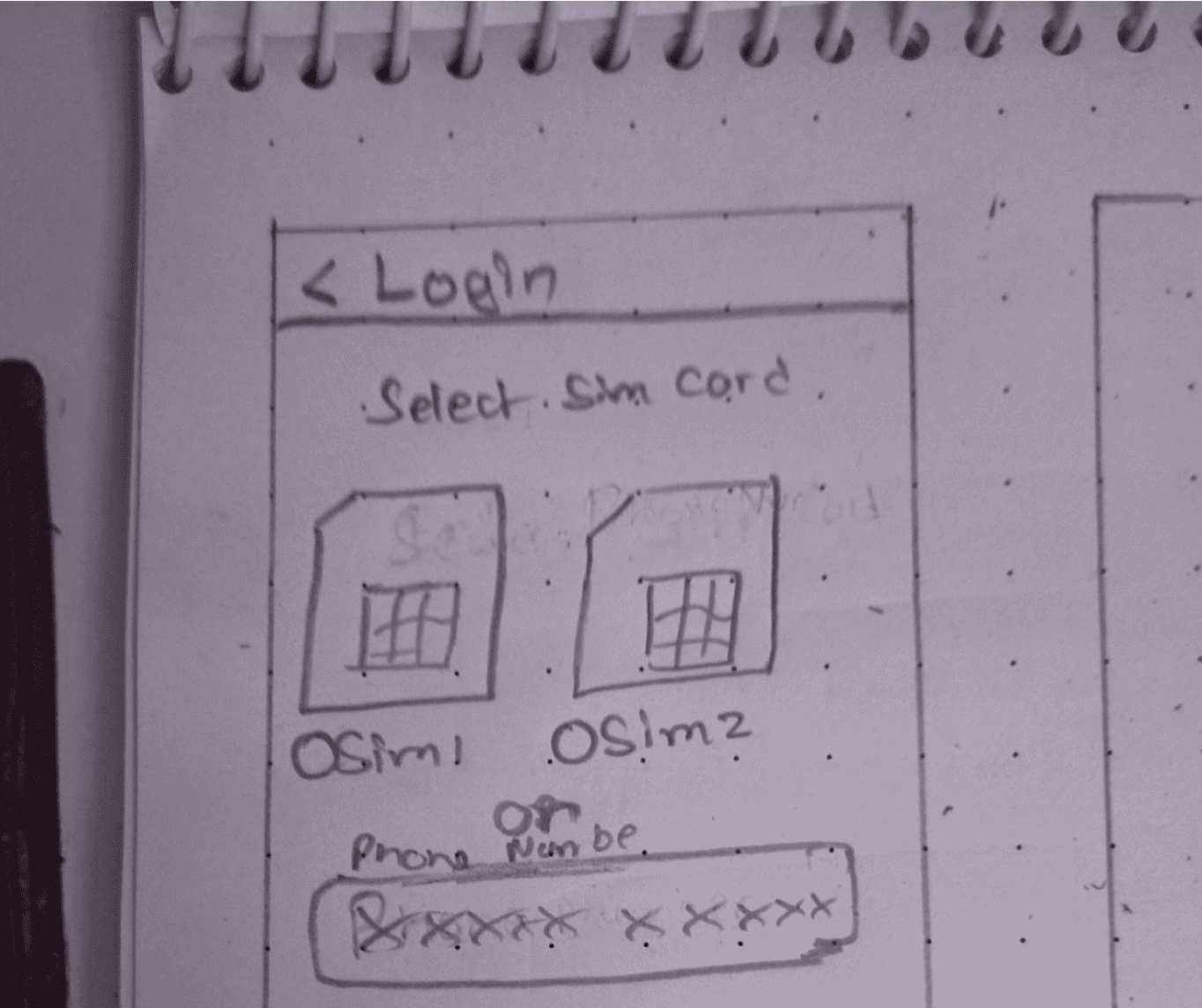
Digital Wireframes
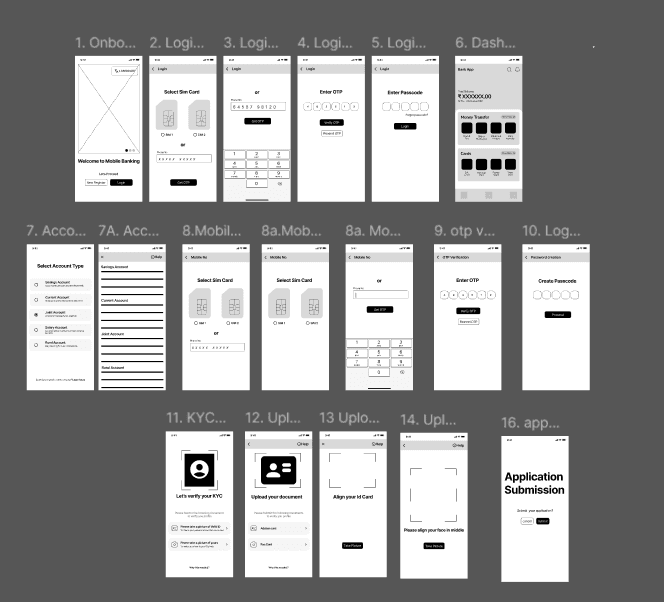
Low fidelity prototype
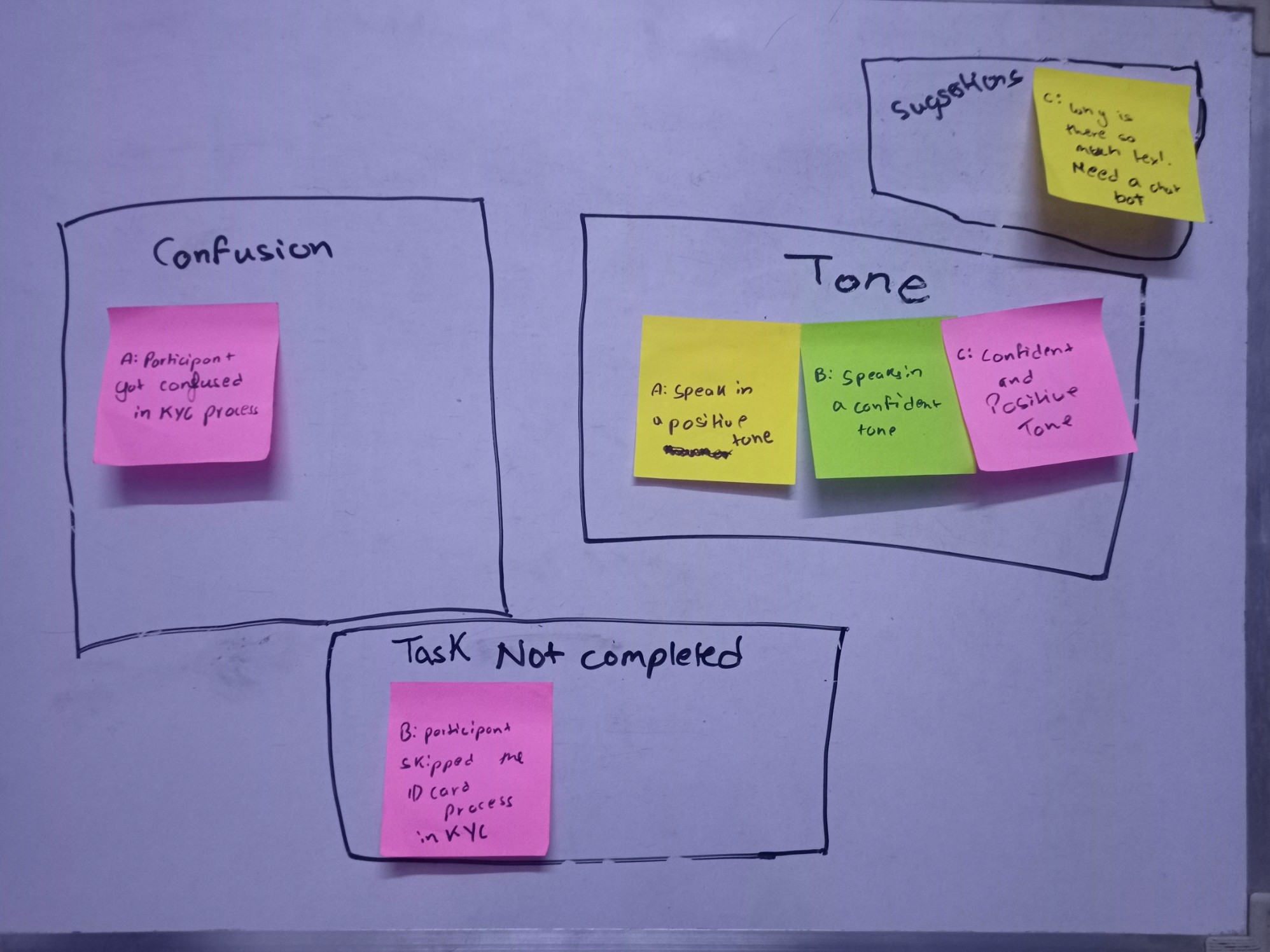
Usability study: findings
1
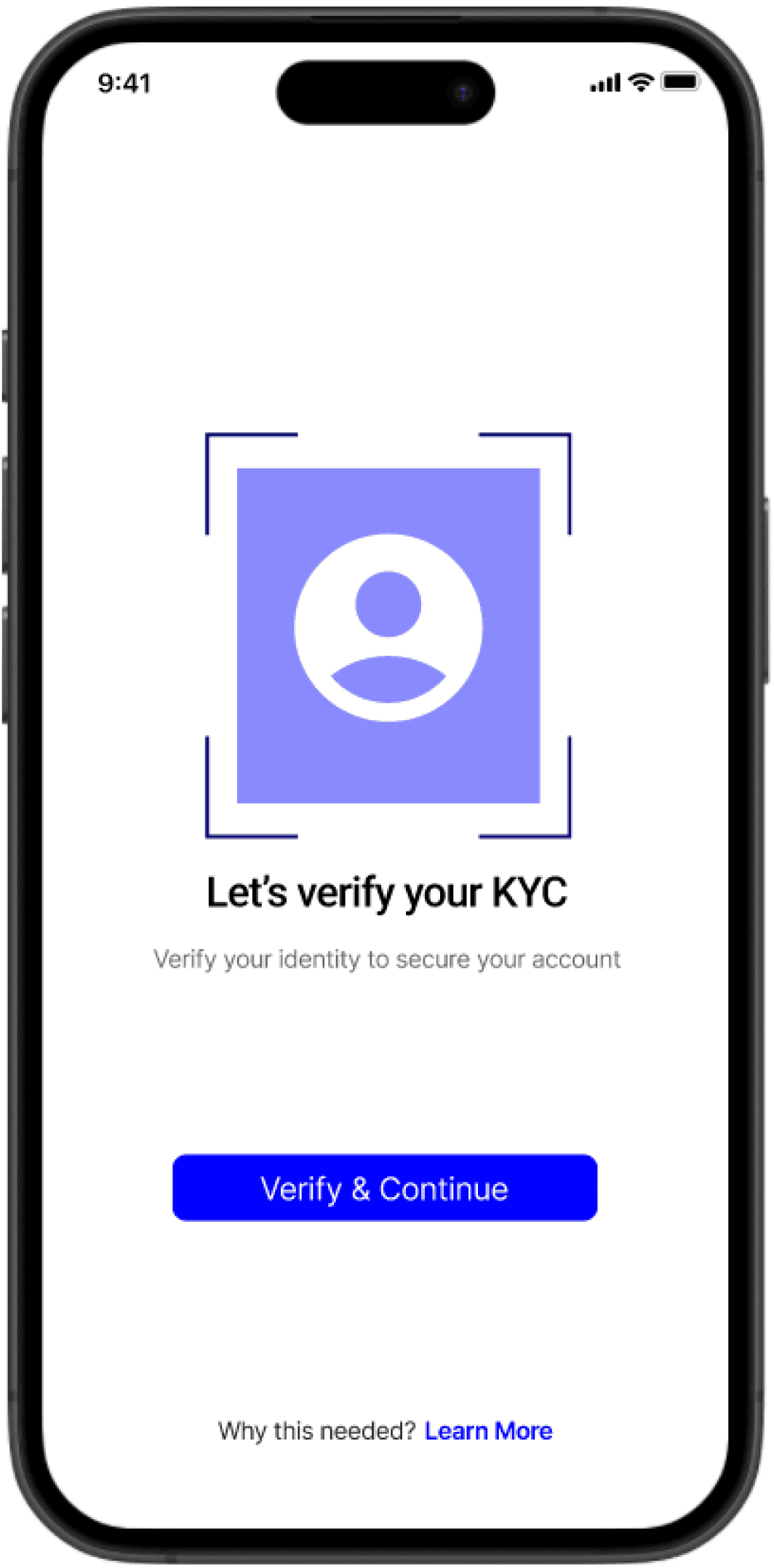
User want a simplified kyc interface
2
User want a chat bot in help screen
3
User want a chat bot to compare accounts
Refined Wireframes
Mockups
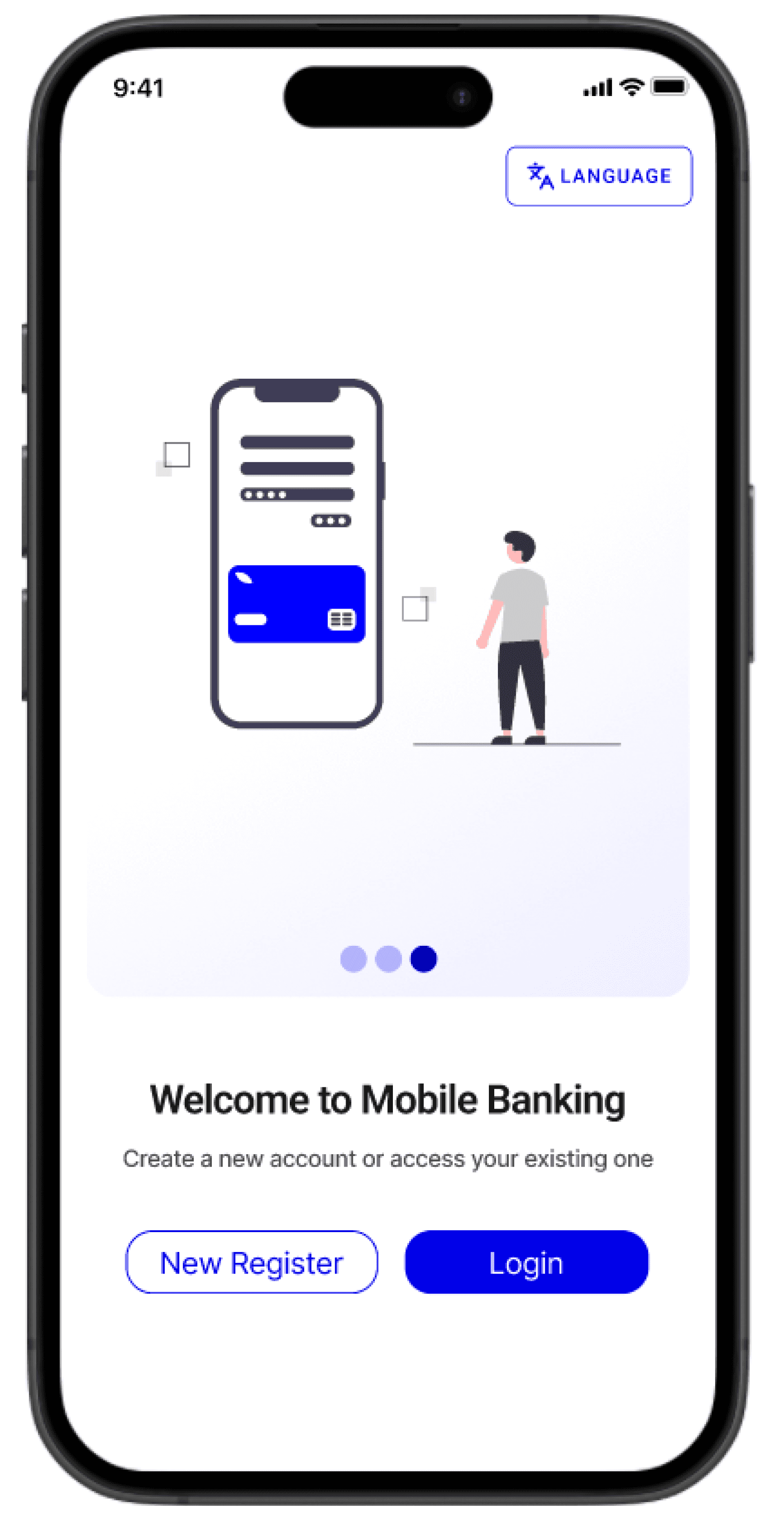
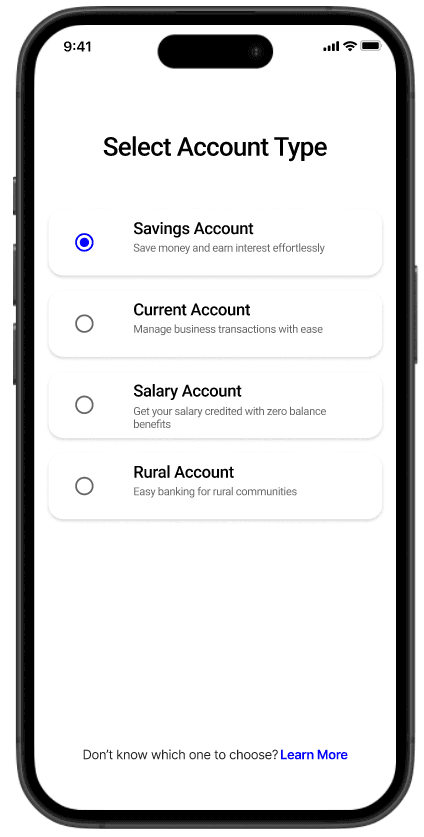
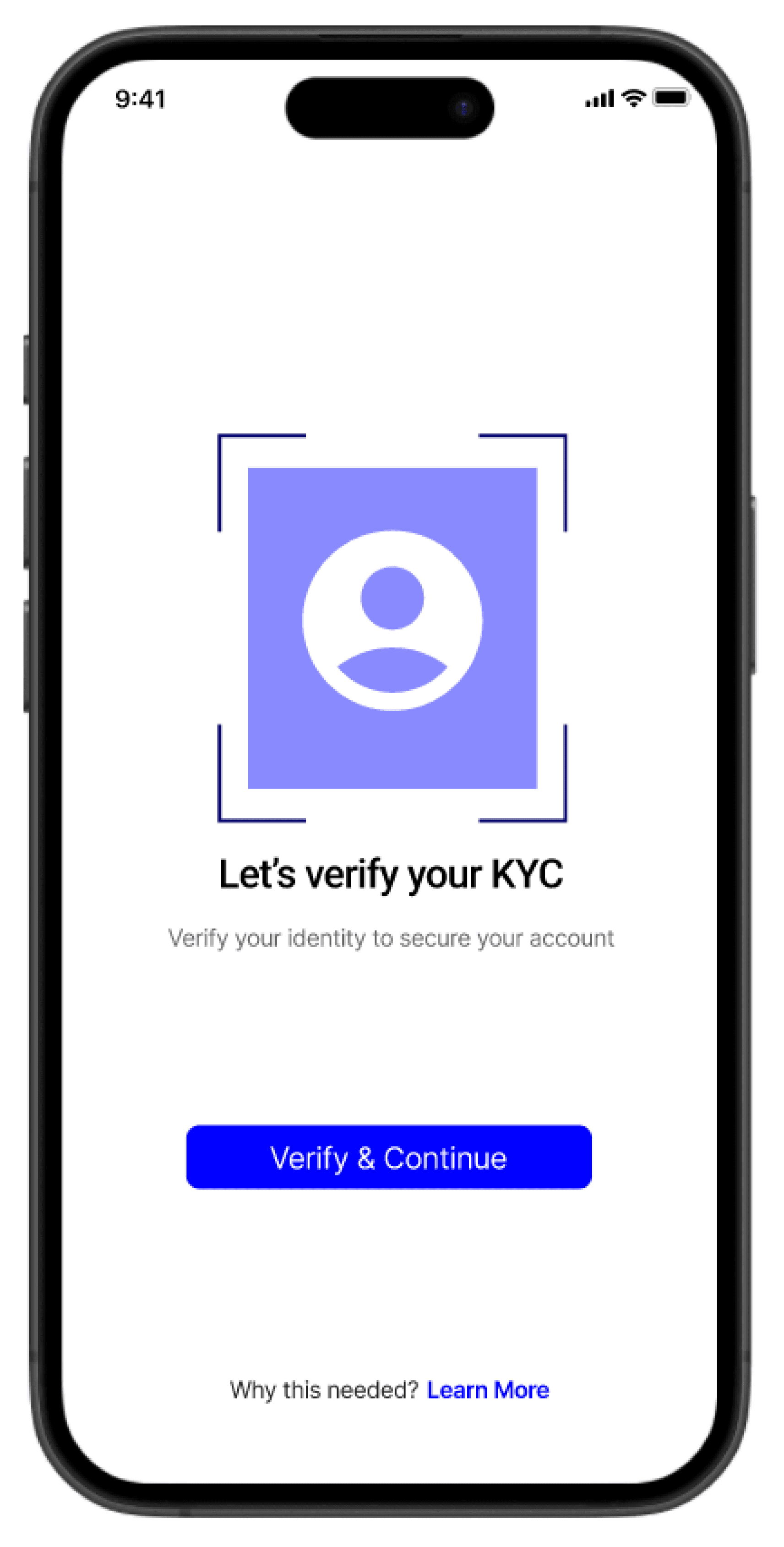
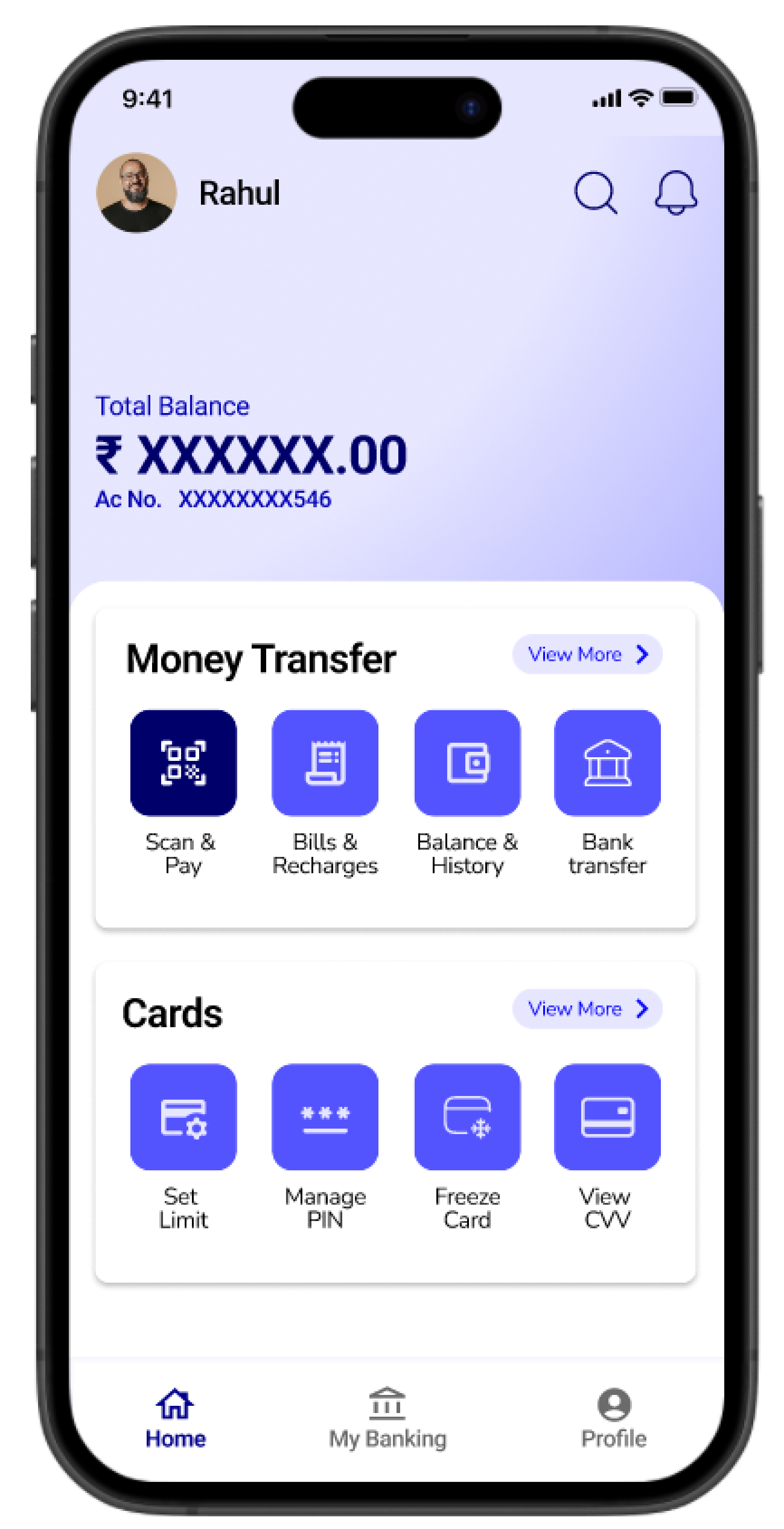
High fidelity prototype
Takeaways
What I learned:
This project taught me how to approach design with empathy—by understanding users through personas, journey maps, and storyboards. I learned how to translate insights into wireframes and prototypes, then validate ideas through usability studies. Using affinity diagrams to synthesize findings reinforced the value of iteration and showed me how research-driven decisions shape meaningful user experiences.