How I Entered UX Design
Oct 30, 2025
My Journey—From Mechanical Engineering to UI/UX Design
You’ve come this far, so I guess you're interested in knowing my story. Before we dive in — thanks for sticking around, and I hope this is worth your time.
Early Days
So, the story begins around 2019. That’s when I first started learning design tools and created a few designs. These weren’t UI/UX, though — just general graphic design stuff using CorelDRAW.
At that time, I had just completed my 10th grade and wanted to pick up some extra skills. I enrolled in a Diploma in Mechanical Engineering (Polytechnic). Now you might be thinking, “Are you crazy? From designing to mechanical engineering?”
But no — it wasn’t like that. I just didn’t want to go through the regular 11–12th route. I thought it would be more practical work and less theory. But as always, life had a different plot. The thing I wanted to avoid didn’t want to avoid me.
The diploma had some brain-busting subjects too — Applied Mathematics, Thermodynamics, and RAC (Refrigeration and Air Conditioning). Many engineers will relate.
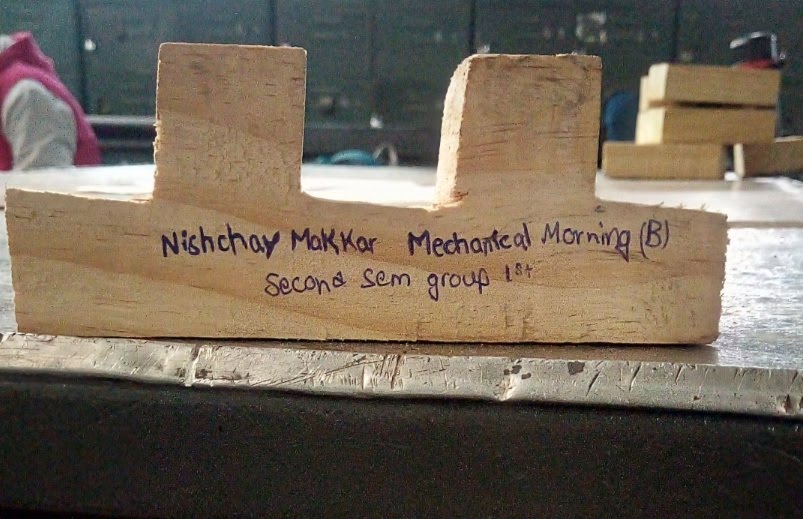
But it also had fun stuff. Going to workshops, using machines, and crafting things out of metal, iron, or wood.
The drafting room was my favourite — creating drawings from different views: top view, side view. Looking at things from different perspectives — how a bolt, machine, or tool would look.
A Shift in Direction
Fast forward to 2022 — my final year of the diploma. My interests changed. Now I wanted to study so much that I started preparing for entrance exams to get into B.Tech.
You might think, “This guy’s really lost it.” Something was definitely going on in my head—but no, I wasn’t insane. My interest had shifted from mechanical to information technology. While studying for the exams at coaching classes, I also worked there as a graphic designer. I was earning and paying my own fees. Finally, I got into college in November 2022. That’s where my journey as a developer began.
The Developer Phase
I started learning Java, Python, and C — but what intrigued me the most was Android development. I always wondered how they worked and how they were made. I started learning and building apps. Over the next two years, I practised a lot. I picked up Kotlin — a game changer. Since I already knew Java, it was easy to grasp and saved me lines of code.
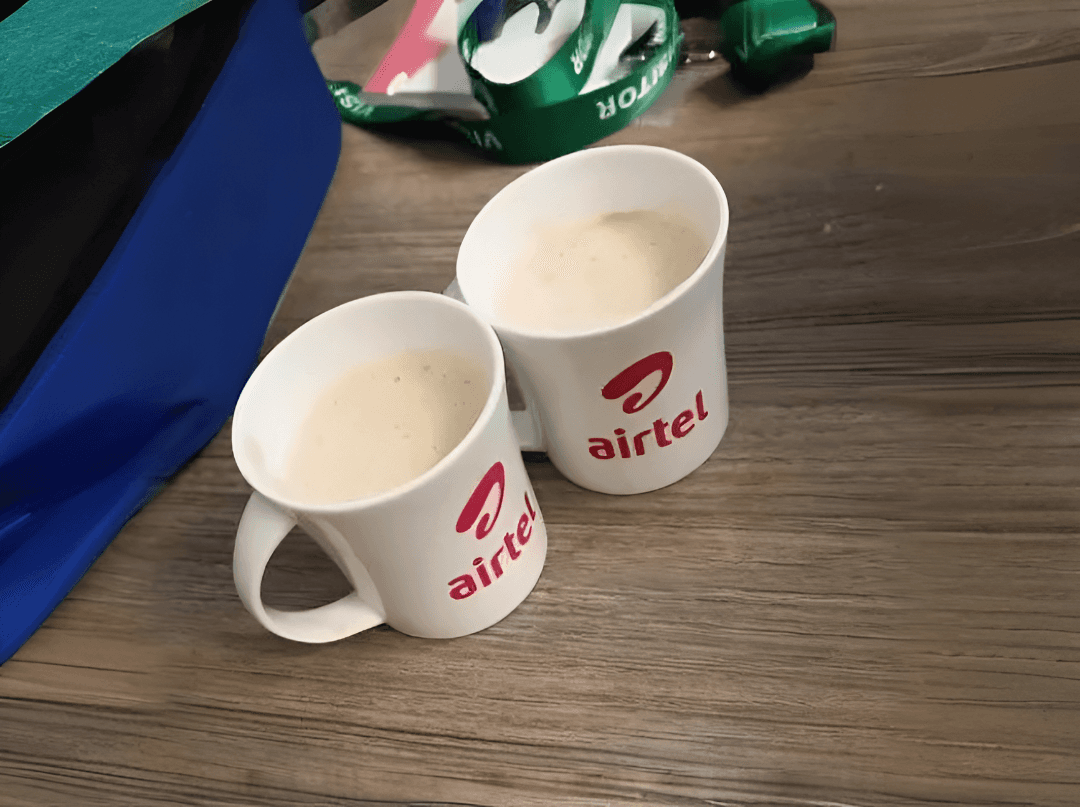
In my final year, I interned at Airtel. I worked on building a blog app and created some basic APIs for it using Spring Boot (for those who don’t know, Spring Boot is a framework used to build backend systems that help apps fetch data like images, videos, or text from a source). I spent two months there as an intern, and overall, it was a good experience.
The Uncertain Phase
Then came May — final exams, farewell, and suddenly, it hit me: I’m not a student anymore. The pressure to get a job started. I applied to multiple places, but either got no response or the ones I did get weren’t what I expected.
During this time, I focused on upskilling. I started learning Flutter and watched design tutorials because now I wanted my apps to look good. They worked functionally, but what’s the point if they don’t look appealing?
My friend and classmate Mayank used to say,
“Most people will have an impression about the app just by looking at the UI; other things will matter afterwards.” We argued a lot about it, but honestly, that feedback stayed with me.
August came — two months passed, and still no interview calls. My days started feeling messy. I was learning Flutter, design, and a bunch of other stuff. But in mid-August, I decided to stop getting lost in everything and focus on learning one thing properly.
Discovering Design
I had to break my GitHub streak at around 180 days. I enrolled in the Google UX Design Professional Certificate. I joined to learn how to make things look good, but the process took me deeper — understanding how things work, how harmony is created, and why certain choices are made, whether it’s shapes or colours. How text works with hierarchy — what should stand out, and what should stay subtle.
The principles that make designs feel effortless — blending one element into another and guiding the user’s eye through a smooth flow.
The Process Behind Design
But that’s just the visual part. The real game is understanding the user — how they feel, what’s bothering them, and how a UX designer solves those problems.
Now, development feels like the final step in a much bigger process. Creating empathy maps and writing about how users feel, think, say, and do. Then building a persona — their goals and frustrations — and brainstorming how to solve their problems and how to tackle the pain points.
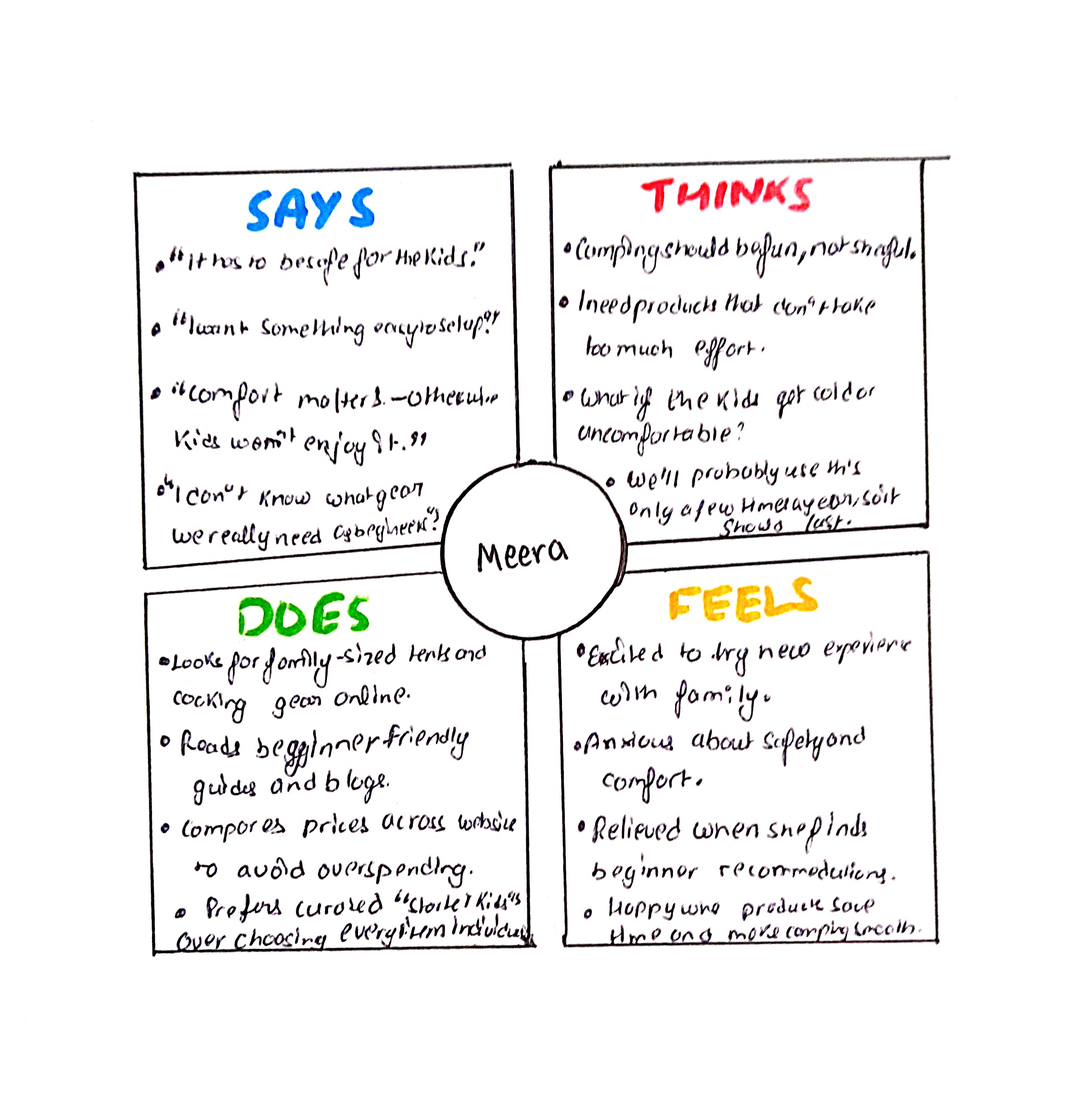
This course taught me a lot. I was fully dedicated — spending entire days learning, making notes, and watching lectures. My initial goal was to finish the certification in 30 days. But I got so into it, I completed it in 20. Got my certificate. But the story doesn’t end there.
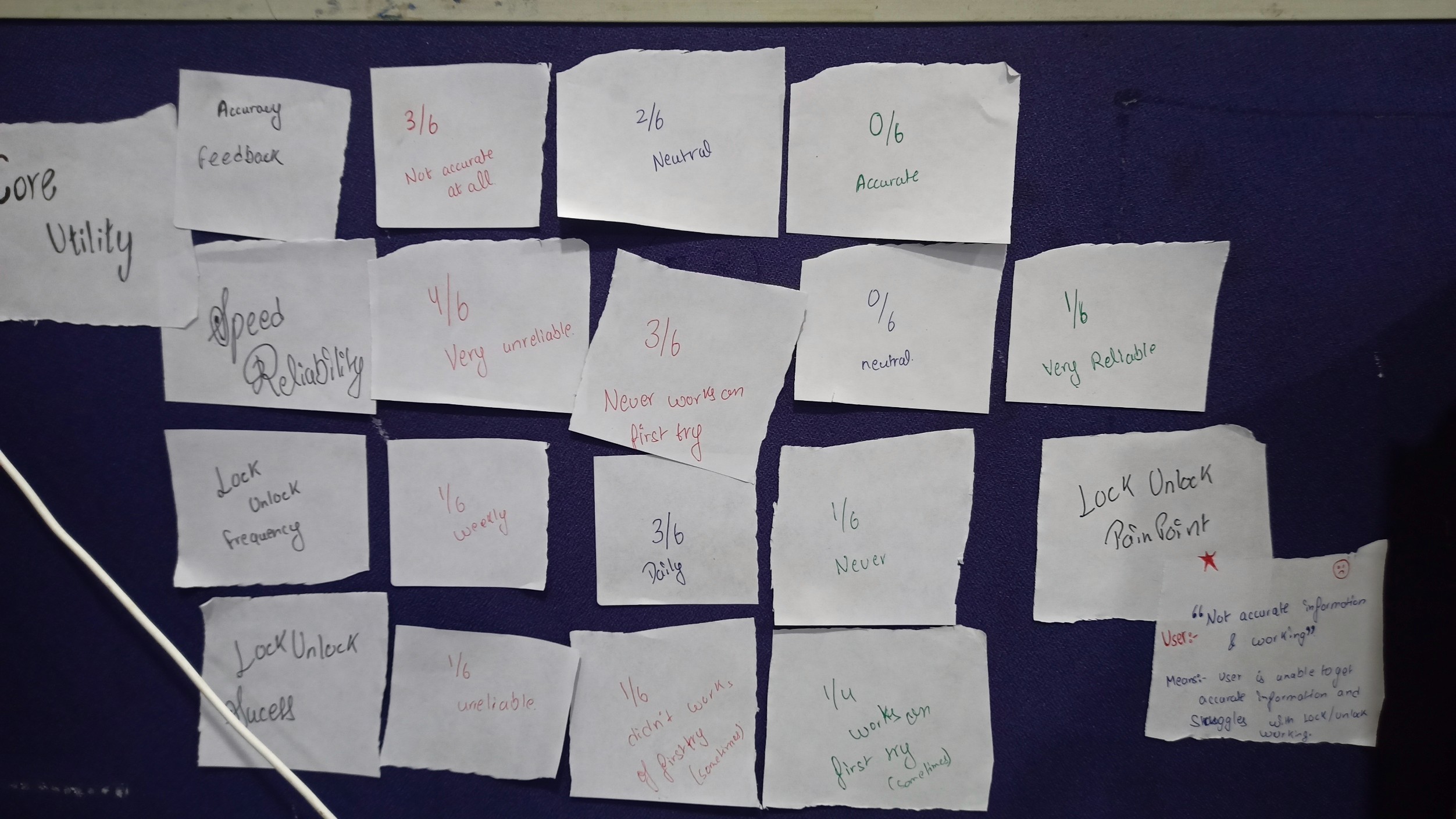
You test your design with real people, get feedback, understand why the previous version didn’t work, and figure out what needs to change. Then comes the “why” — and you start thinking, “How?”
It all starts with curiosity — wanting to do better, connecting past experiences, and discovering new interests. You begin to explore them and fall in love with them, and leaving behind old paths doesn’t feel bad anymore.
My First Case Study
This course taught me a lot. I was fully dedicated — spending entire days learning, making notes, and watching lectures. My initial goal was to finish the certification in 30 days. But I got so into it, I completed it in 20. Got my certificate. But the story doesn’t end there.
You test your design with real people, get feedback, understand why the previous version didn’t work, and figure out what needs to change. Then comes the “why” — and you start thinking, “How?”
It all starts with curiosity — wanting to do better, connecting past experiences, and discovering new interests. You begin to explore them and fall in love with them, and leaving behind old paths doesn’t feel bad anymore.
Building My Portfolio
Now I’ve got the skills. They’ll take time to polish, but that doesn’t mean I can’t show them. I explored YouTube, browsed around, and tried different tools to build my portfolio. That’s when I found this tool called Framer — and I loved it. Super easy to get started with, and the learning curve wasn’t steep.
My first portfolio. My first project. Another journey began — finding an internship to get real-world experience. I filled out so many forms, but got no responses. This time, though, a few did reply. I gave 2–3 interviews, but then got ghosted. But they say good things take time.
I saw a LinkedIn post, sent a mail, and got a call from HR. Interview scheduled.
On interview day, I got a design challenge. I didn’t even realize how time flew — spent 5 hours there and completed the challenge. Two days later, I got the message: I was selected. I was happy — finally, something clicked.
Where I Am Now
Now, I’m the main person handling UI/UX at the company. Building their design system. Creating systems that’ll help them grow easily in the future. My first month as an intern is almost done.
Since day one, it has been an exciting journey, and this feels more like a logical continuation of everything I have already built than a beginning.
Reflections
It may seem that these experiences, which are from various fields, are not related. You learn something from everything, though. Whether it's designing a bolt or a user interface, engineering drawing taught me that everything is a system. There are harmony, rules, and principles.
I can better understand the developer's point of view thanks to my development experience, which many inexperienced designers fail to grasp. Because of this, I am able to assist the developers at my organisation, particularly those who are unfamiliar with the framework I have previously worked with.
Everything you learn, everything you do — it counts. Sometimes the results don’t show up immediately. But when you enjoy the process, even if things don’t go as expected, you won’t feel bad. You’ll have lived the moments that actually build you — not just the ones that show how good you are at a particular time.
Maybe this blog ends here, but my journey doesn’t. I’ll meet you again in another blog soon. Hope this was worth your time. If you liked it, drop your email below so you don’t miss the next one.